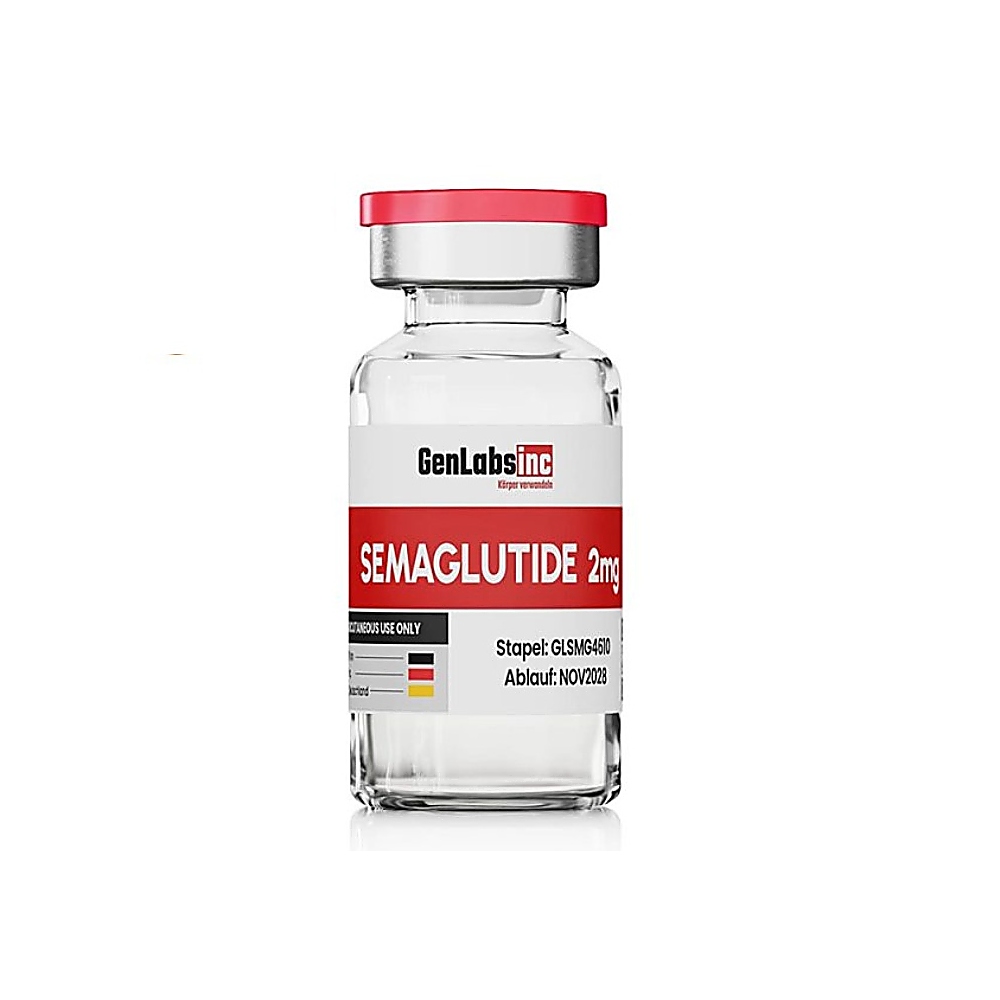
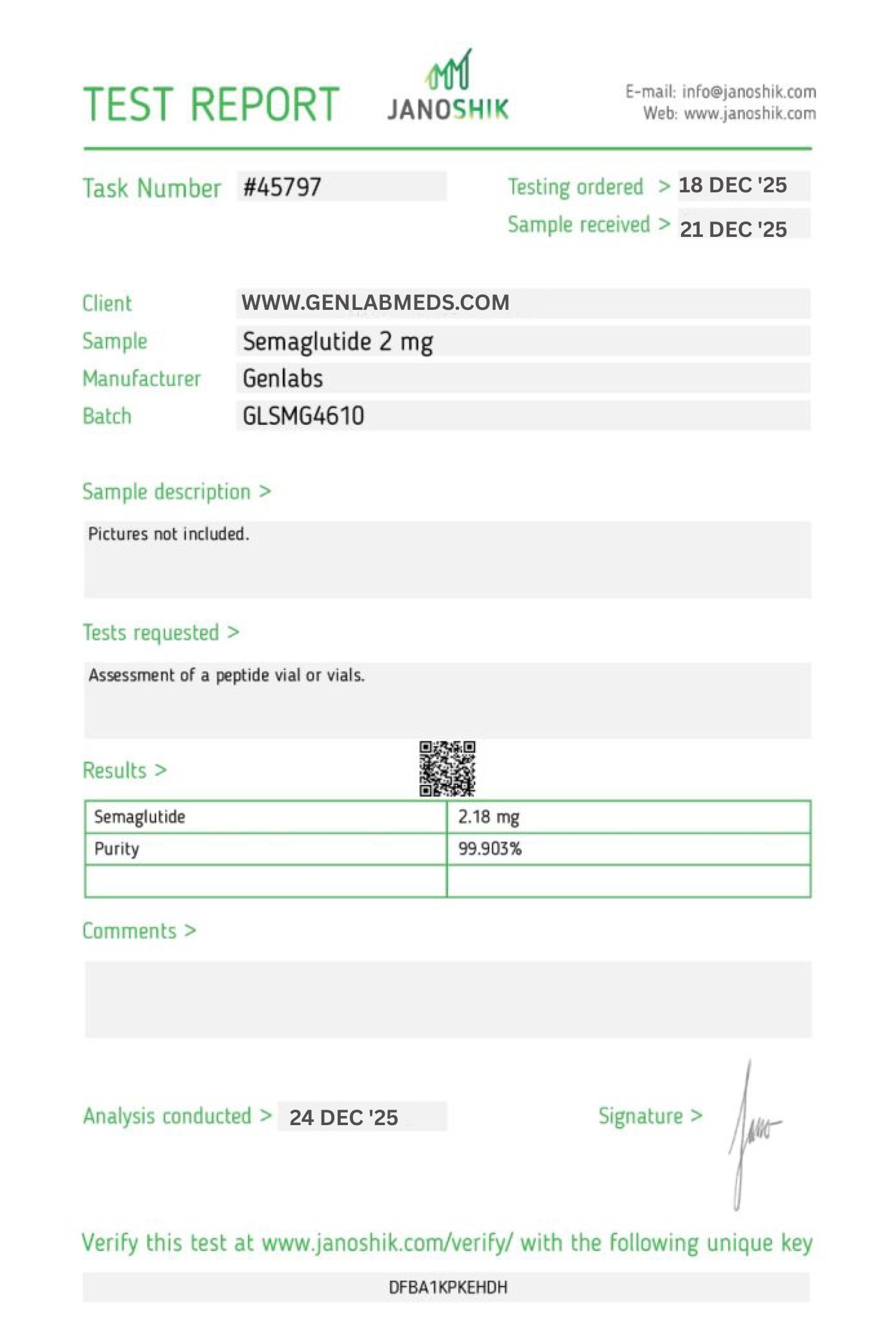
Semaglutide 2mg Vial – GenLabMeds
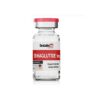
$110.00
1 VIAL – 2 MG SEMAGLUTIDE ( DRIED FREEZE POWDER )
Benefits:
- Regulates blood sugar levels and insulin sensitivity.
- Reduces appetite and promotes weight loss.
- Helps manage type 2 diabetes mellitus.
- Improves cardiovascular health markers.
- Supports overall metabolic health.
Semaglutide 2mg – Powerful GLP-1 Weight Management Support
Semaglutide 2mg is a GLP-1 receptor agonist formulation designed for individuals researching semaglutide and its role in appetite regulation, blood glucose management, and weight management.
Semaglutide has been extensively studied as a GLP-1 receptor agonist. It works by activating GLP-1 receptors involved in glucose regulation, appetite, satiety, and gastrointestinal function.
If you are considering semaglutide, it is important to understand how it works, the differences between semaglutide products, potential benefits, safety considerations, and the importance of professional medical guidance.
Product: Semaglutide 2mg
Form: Lyophilized/freeze-dried powder
Quantity: 1 vial containing 2mg semaglutide
Category: Weight Loss & GLP-1s
What Is Semaglutide 2mg?
Semaglutide is a long-acting glucagon-like peptide-1 (GLP-1) receptor agonist.
GLP-1 is a naturally occurring hormone involved in several processes related to blood glucose regulation and appetite. Semaglutide mimics some of the effects of naturally occurring GLP-1 by activating GLP-1 receptors.
Semaglutide has been developed and studied in several formulations. In the United States, FDA-approved semaglutide products include Ozempic, Wegovy, and Rybelsus, each with its own formulation, approved indications, and labeling.
Important: Semaglutide itself should not automatically be described as Ozempic. Ozempic is a specific branded semaglutide product, while other semaglutide formulations may differ in formulation, packaging, concentration, approval status, and intended use.
How Does Semaglutide Work?
Semaglutide works through the GLP-1 receptor pathway.
Its physiological effects can include:
- Supporting glucose-dependent insulin secretion
- Reducing glucagon secretion when blood glucose is elevated
- Slowing gastric emptying
- Increasing feelings of fullness and satiety
- Influencing appetite and food intake
These effects help explain why semaglutide has attracted significant interest in both metabolic health and weight-management research.
The response to semaglutide varies between individuals and depends on the specific formulation, treatment plan, medical history, lifestyle, and other factors.
Semaglutide and Weight Management
One of the most widely studied applications of semaglutide is chronic weight management.
Certain FDA-approved semaglutide formulations are indicated for chronic weight management in eligible patients in combination with a reduced-calorie diet and increased physical activity.
Semaglutide may influence appetite and satiety, which can make it easier for some individuals to reduce food intake and maintain a calorie-controlled eating pattern.
Weight-management outcomes are individual. Semaglutide should not be presented as a guaranteed weight-loss solution, and treatment decisions should be made with an appropriately qualified healthcare professional.
Semaglutide and Appetite Control
Appetite regulation is an important part of semaglutide’s mechanism of action.
By activating GLP-1 receptors, semaglutide can influence pathways associated with hunger and satiety. Some people experience greater feelings of fullness and reduced appetite during treatment.
This effect can support dietary changes when semaglutide is used as part of an appropriate medical weight-management plan.
Semaglutide does not eliminate the importance of nutrition, physical activity, sleep, and other lifestyle factors.
Semaglutide and Blood Glucose Management
Semaglutide has also been extensively studied for blood glucose management in adults with type 2 diabetes.
Certain FDA-approved semaglutide products are indicated as an adjunct to diet and exercise to improve glycemic control in adults with type 2 diabetes.
Semaglutide influences glucose regulation through the GLP-1 receptor pathway, including effects on insulin and glucagon.
The appropriate product and treatment plan depend on the individual’s diagnosis, medical history, medications, and healthcare provider’s recommendations.
Potential Benefits of Semaglutide
Depending on the specific semaglutide formulation and approved indication, potential benefits associated with semaglutide treatment may include:
Appetite Regulation
Semaglutide may influence appetite and satiety, helping some individuals feel fuller after eating.
Weight Management
Certain semaglutide formulations are approved for chronic weight management in eligible patients when combined with appropriate dietary and physical-activity measures.
Blood Glucose Support
Certain semaglutide products are approved to improve glycemic control in adults with type 2 diabetes.
Metabolic Health
Through its effects on glucose regulation and appetite, semaglutide may form part of a broader strategy for managing metabolic health.
Individual responses vary, and the benefits associated with one semaglutide product should not automatically be attributed to every semaglutide formulation.
Why Semaglutide Has Become So Popular
Interest in GLP-1 medications has increased significantly because of their effects on appetite, glucose regulation, and weight management.
Semaglutide is particularly well studied and is available in several prescription formulations.
However, the popularity of semaglutide also makes it especially important to understand the difference between:
- FDA-approved medications
- Compounded medications
- Research products
- Different semaglutide formulations
- Different concentrations and delivery systems
These products should not be assumed to be interchangeable.
Semaglutide 2mg Product Information
Product: Semaglutide 2mg
Amount: 2mg per vial
Physical form: Freeze-dried/lyophilized powder
Package: 1 vial
Category: Weight Loss & GLP-1s
Before using any injectable product, confirm the product’s identity, concentration, storage requirements, preparation instructions, and administration instructions with the appropriate healthcare professional or dispensing provider.
Do not determine an injectable dose based solely on information found online.
Semaglutide Safety Considerations
Semaglutide can cause adverse effects, particularly gastrointestinal effects.
Reported adverse effects associated with semaglutide products can include:
- Nausea
- Vomiting
- Diarrhea
- Constipation
- Abdominal discomfort
More serious adverse reactions can occur, and the appropriate safety information depends on the specific semaglutide formulation.
FDA-approved semaglutide labeling includes important warnings and contraindications, including a contraindication for people with a personal or family history of medullary thyroid carcinoma (MTC) or Multiple Endocrine Neoplasia syndrome type 2 (MEN 2) for specified semaglutide products.
Patients should review the complete prescribing information applicable to their specific product and discuss their medical history with a qualified healthcare professional.
Important Information About Injectable Semaglutide
Injectable semaglutide products can differ in concentration, packaging, and administration instructions.
This is particularly important when a product is supplied in a vial rather than a prefilled pen.
FDA has reported dosing errors associated with compounded injectable semaglutide and has highlighted the importance of using the correct concentration, syringe, and instructions for the intended dose.
For that reason:
Do not calculate or change your semaglutide dose based on online conversion charts or instructions intended for a different product.
Always use the instructions supplied for your specific product and obtain appropriate professional guidance before administration.
Semaglutide vs. Ozempic: Are They the Same?
Semaglutide is the active ingredient used in several branded FDA-approved products, including Ozempic and Wegovy.
However, semaglutide and Ozempic are not interchangeable names.
Ozempic is a specific branded semaglutide injection with its own FDA-approved labeling.
Other semaglutide products can have different formulations, strengths, delivery systems, indications, and regulatory status.
For accuracy and safety, consumers should verify exactly which semaglutide product they are receiving rather than assuming that every semaglutide vial is Ozempic.
Semaglutide vs. Other GLP-1 Medications
Semaglutide is one member of the GLP-1 receptor agonist class.
Other medications in the broader metabolic and weight-management category may use different active ingredients and have different mechanisms, approved indications, dosing schedules, contraindications, and safety profiles.
For example, tirzepatide acts on both GIP and GLP-1 receptors, while semaglutide primarily targets the GLP-1 receptor.
The best treatment option depends on the individual’s medical circumstances and should be determined with a qualified healthcare professional.
Frequently Asked Questions About Semaglutide 2mg
What is Semaglutide 2mg?
Semaglutide 2mg refers to a product containing 2mg of semaglutide. Semaglutide is a GLP-1 receptor agonist that has been studied for blood glucose management and chronic weight management in specific approved formulations.
Does semaglutide help with weight management?
Certain FDA-approved semaglutide formulations are indicated for chronic weight management in eligible patients. Semaglutide can influence appetite and satiety, which may support reduced food intake when combined with appropriate lifestyle measures.
How does semaglutide work?
Semaglutide activates GLP-1 receptors involved in glucose regulation, appetite, satiety, insulin secretion, glucagon regulation, and gastric emptying.
Is Semaglutide 2mg the same as Ozempic?
No. Ozempic is a specific branded semaglutide product. A product containing semaglutide should not automatically be described as Ozempic or assumed to have the same formulation, labeling, or regulatory status.
What are common semaglutide side effects?
Common adverse effects associated with semaglutide can include nausea, vomiting, diarrhea, constipation, and abdominal discomfort. Safety information varies according to the specific formulation.
Is semaglutide a prescription medication?
FDA-approved semaglutide medications are prescription products. Anyone considering semaglutide should discuss treatment with a qualified healthcare professional.
How long does semaglutide take to work?
Individual responses vary. Semaglutide treatment is generally evaluated over time rather than based on a single dose or isolated result. Follow the treatment plan and monitoring schedule provided by the appropriate healthcare professional.
Can I determine my semaglutide dose from information online?
No. Different semaglutide products can have different concentrations and administration instructions. Your dose should be determined from the specific product information and instructions provided by your healthcare professional.
Semaglutide 2mg: Key Takeaways
Semaglutide is a well-studied GLP-1 receptor agonist with effects on appetite, satiety, and glucose regulation.
Key points to remember:
- Semaglutide is a GLP-1 receptor agonist.
- Certain semaglutide formulations are used for type 2 diabetes and/or chronic weight management.
- Appetite and satiety effects can contribute to reduced food intake.
- Different semaglutide products are not necessarily interchangeable.
- Ozempic is a specific branded semaglutide product.
- Injectable formulations can differ in concentration and administration requirements.
- Medical guidance is important when considering prescription or compounded semaglutide.
- Individual results and tolerability vary.
Final Thoughts
Semaglutide has become one of the most widely discussed GLP-1 receptor agonists because of its effects on appetite regulation, glucose metabolism, and weight management.
Understanding the differences between semaglutide formulations is just as important as understanding the potential benefits. Product identity, concentration, intended use, safety information, and administration instructions should always be verified before treatment.
If you are considering semaglutide for weight management or blood glucose control, speak with a qualified healthcare professional to determine whether it is appropriate for your individual circumstances.
Medical Disclaimer:
This content is provided for general educational purposes and is not intended to replace professional medical advice, diagnosis, or treatment. GenLabMeds does not provide medical advice through this page. Always consult an appropriately qualified healthcare professional regarding medications, treatment decisions, dosing, contraindications, and potential adverse effects.
Be the first to review “Semaglutide 2mg Vial – GenLabMeds”
Related products
Weight loss & GLP-1s
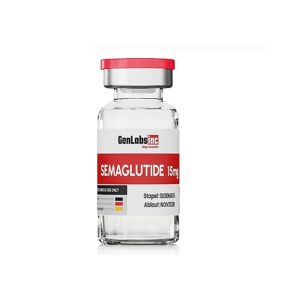
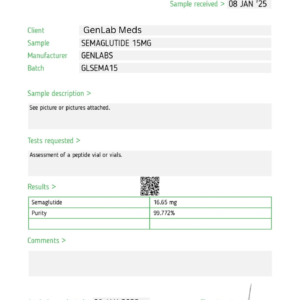
SEMAGLUTIDE (OZEMPIC) 15MG VIAL – (WITH BACTERIOSTATIC WATER) – GENLABS
Reviews
There are no reviews yet.