Retatrutide 5mg: Research Peptide Information & Clinical Data
Retatrutide is an investigational peptide being studied for its effects on body weight, glucose regulation, and metabolic health. It is a first-in-class triple hormone receptor agonist that activates the GIP, GLP-1, and glucagon receptors.
Retatrutide has advanced through Phase 3 clinical development, with recent trials evaluating different doses and patient populations. In July 2026, Eli Lilly reported positive Phase 3 results from TRIUMPH-2 and TRIUMPH-3, while continuing development of retatrutide as an investigational medicine.
This page provides general information about retatrutide 5mg, its mechanism of action, current clinical research, and important considerations surrounding this investigational compound.
Important: Retatrutide has not been approved by the FDA and is not currently available for public use as an approved medication. It should not be represented as an FDA-approved treatment.
What Is Retatrutide?
Retatrutide, also known as LY3437943, is an investigational peptide developed by Eli Lilly. Unlike medicines that target a single incretin pathway, retatrutide is designed to activate three hormone receptors:
- GIP receptor
- GLP-1 receptor
- Glucagon receptor
Because of this combination, retatrutide is commonly described as a triple agonist.
Researchers are studying whether simultaneous activation of these pathways can influence appetite, glucose metabolism, energy expenditure, and body weight.
Retatrutide remains an investigational medicine and has not received FDA approval. Current research is focused on establishing its safety, efficacy, appropriate dosing strategies, and potential therapeutic applications.
Latest Retatrutide Clinical Research
Retatrutide has progressed into Phase 3 clinical development, with studies evaluating its effects across several metabolic conditions.
In May 2026, Eli Lilly reported results from the TRIUMPH-1 Phase 3 obesity trial. Participants receiving the highest studied dose of 12 mg experienced an average weight reduction of 28.3% at 80 weeks, while the 4 mg group experienced an average reduction of 19.0%.
In July 2026, Lilly reported additional Phase 3 results from TRIUMPH-2 and TRIUMPH-3. In TRIUMPH-2, participants with obesity or overweight and type 2 diabetes experienced average weight reductions ranging from 12.7% to 20.8% at 80 weeks across the studied doses. TRIUMPH-3 evaluated participants with severe obesity and established cardiovascular disease.
These findings are promising from a research perspective, but clinical trial results should not be interpreted as evidence that an unapproved retatrutide product is safe or appropriate for individual use.
How Does Retatrutide Work?
Retatrutide is being investigated as a triple hormone receptor agonist. Its mechanism involves three pathways:
GLP-1 Receptor
GLP-1 signaling is involved in appetite regulation, glucose-dependent insulin secretion, and gastrointestinal processes.
GIP Receptor
GIP is an incretin hormone involved in glucose metabolism and insulin secretion. Researchers are studying how GIP receptor activation contributes to the overall metabolic effects of retatrutide.
Glucagon Receptor
Glucagon signaling plays an important role in energy metabolism. Activation of the glucagon receptor is being investigated for its potential contribution to increased energy expenditure and changes in body weight.
Why Three Pathways?
The combination of GIP, GLP-1, and glucagon receptor activity distinguishes retatrutide from single- and dual-receptor agonists. This multi-receptor mechanism is one of the main reasons retatrutide is being extensively studied in obesity and metabolic disease research.
Retatrutide 5mg for Weight Loss Research
Clinical research and early real-world data suggest that Retatrutide 5mg may outperform traditional GLP-1 therapies in total weight loss and fat reduction. Many users report noticeable changes within the first few weeks of consistent use.
Commonly reported benefits include:
-
Strong appetite control and reduced cravings
-
Faster and more consistent fat loss
-
Improved energy levels and metabolic efficiency
-
Better long-term weight maintenance
Because Retatrutide 5mg promotes fat loss while preserving lean mass, results are often more sustainable, reducing the risk of rebound weight gain once treatment is stabilized.
Retatrutide Dosing: What Clinical Research Shows
Retatrutide is being studied in clinical trials using different dose levels and dose-escalation approaches. Research protocols are designed by clinical investigators and may differ according to the study population, treatment duration, and research objective.
Because retatrutide is investigational and has not been FDA-approved, there is currently no FDA-approved consumer dosing schedule for a 5mg retatrutide product.
Individuals should not use clinical-trial doses as instructions for self-administration. Questions about investigational medicines and potential treatment options should be discussed with a qualified healthcare professional.
Retatrutide vs GLP-1 and GIP-Based Medicines
Retatrutide differs from currently approved incretin-based medicines because it is designed to activate three receptors: GIP, GLP-1, and glucagon.
Semaglutide primarily targets the GLP-1 receptor, while tirzepatide activates the GIP and GLP-1 receptors. Retatrutide adds glucagon receptor activity to the GIP and GLP-1 pathways.
However, these compounds should not be considered interchangeable. Retatrutide remains investigational, whereas certain semaglutide and tirzepatide products have FDA-approved indications.
Key Benefits of Retatrutide 5mg
-
Advanced triple-agonist formulation
-
Superior weight loss and fat-burning potential
-
Enhanced insulin sensitivity and glucose control
-
Supports metabolic health beyond weight loss
-
Convenient once-weekly administration
-
Ideal for patients who plateau on GLP-1 therapies
These advantages position Retatrutide as a next-level option for serious, results-driven weight management research.
Research Status, Safety & Quality Considerations
Retatrutide 5mg is an investigational compound that continues to be evaluated in clinical research. It has not been approved by the FDA or any other regulatory agency, so its safety and efficacy profile is still being established through ongoing clinical trials.
Investigational Status
Retatrutide is currently being studied in Phase 3 clinical trials for obesity and related metabolic conditions. Recent trials have evaluated different dose levels, patient populations, and treatment outcomes, while additional studies continue to examine its longer-term safety and potential applications.
Because retatrutide remains investigational, information from clinical trials should not be interpreted as an approval, recommendation, or guarantee of safety for products obtained outside controlled research settings.
Quality and Identity Considerations
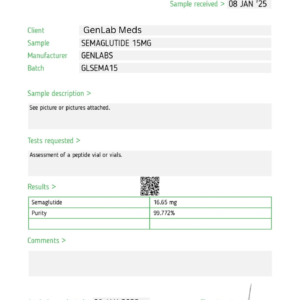
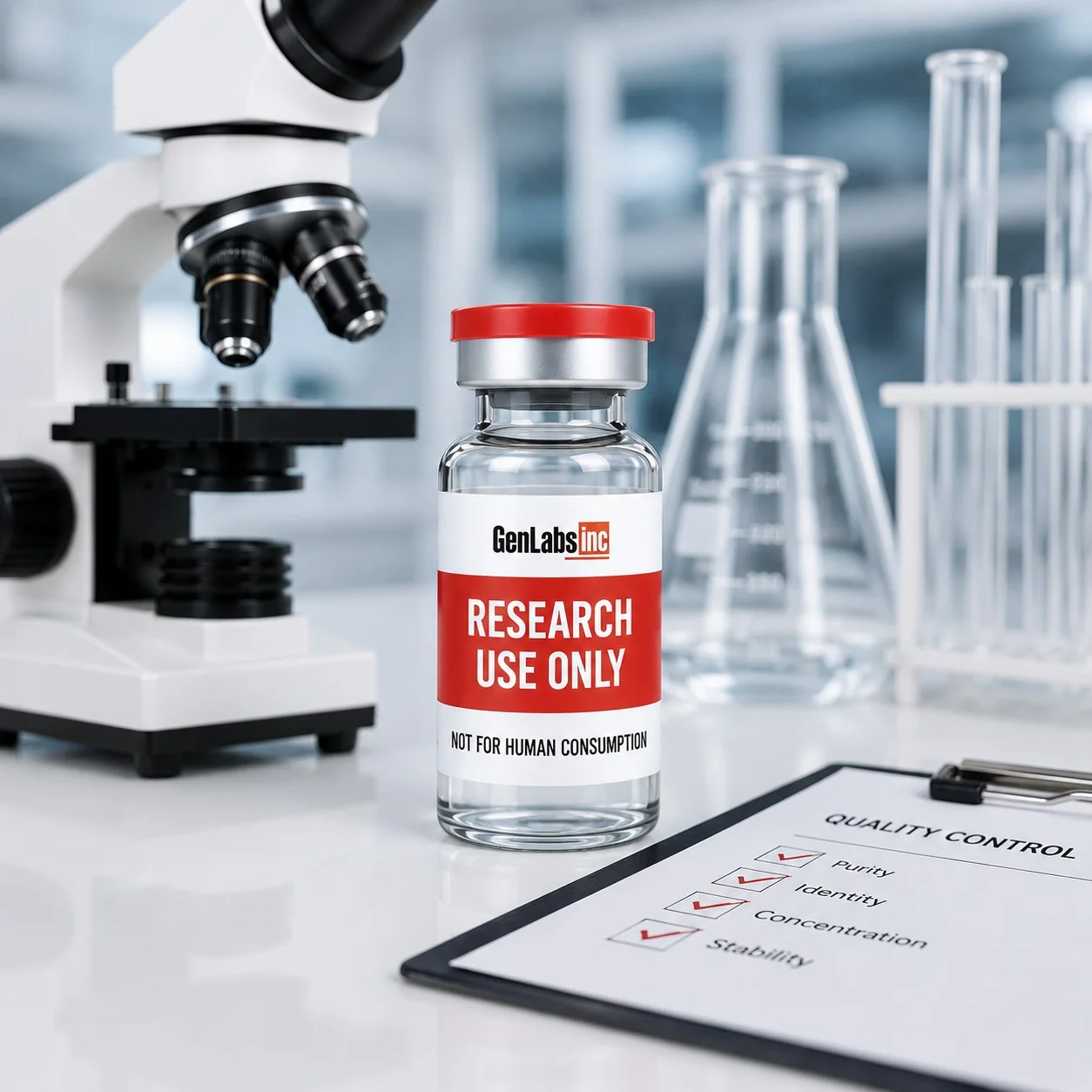
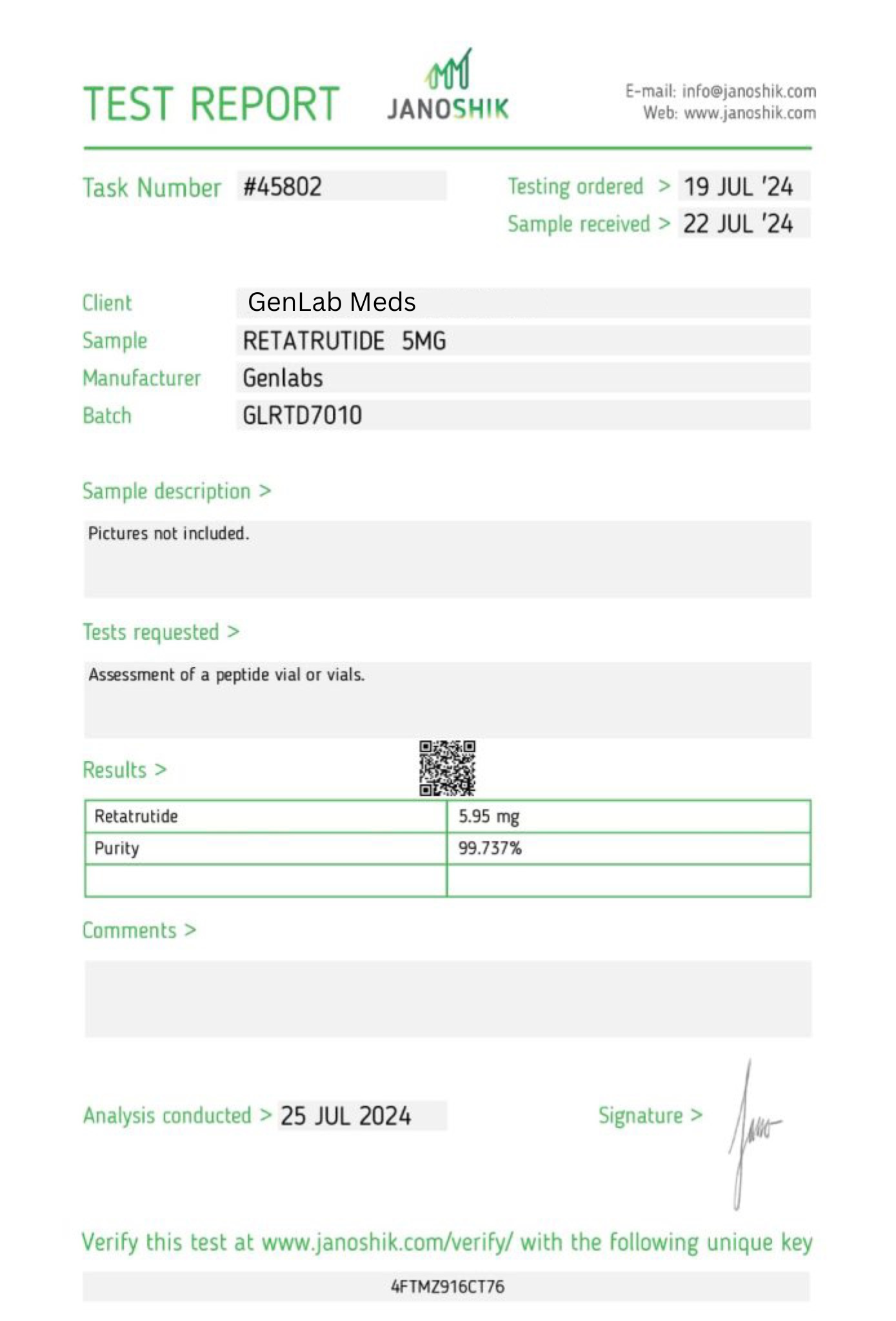
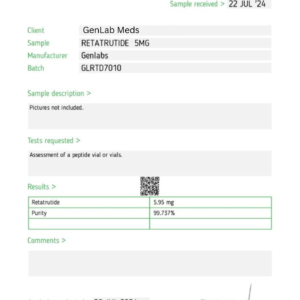
The identity, purity, strength, and composition of any research compound are important considerations when evaluating laboratory materials. Appropriate quality-control practices can include documented manufacturing procedures, analytical testing, identity testing, purity assessment, and batch-specific documentation such as a Certificate of Analysis (COA).
A COA can provide information about a particular batch, but it should not be interpreted as evidence that an investigational compound has been approved for human use.
Frequently Asked Questions About Retatrutide 5mg
What is Retatrutide 5mg?
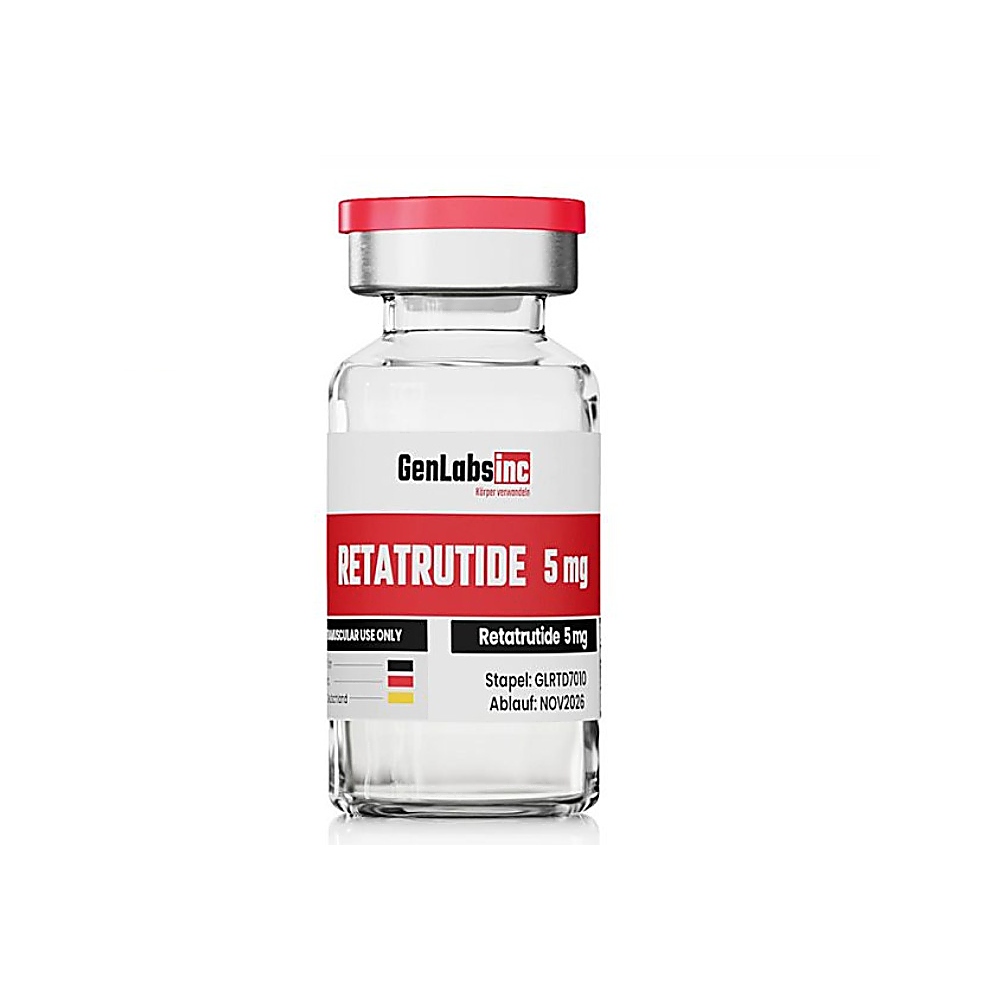
Retatrutide 5mg refers to a 5mg presentation of retatrutide, an investigational peptide also known as LY3437943. Retatrutide is being studied as a triple receptor agonist that targets the GIP, GLP-1, and glucagon receptors. Research is currently focused on its potential effects on body weight, glucose regulation, and other metabolic outcomes.
Is Retatrutide FDA approved?
No. Retatrutide is currently an investigational medicine and has not received FDA approval. Eli Lilly continues to evaluate retatrutide in Phase 3 clinical trials and has announced plans to submit a Biologics License Application to the FDA in 2027. Because it is investigational, retatrutide should not be represented as an FDA-approved medication or treatment.
How does Retatrutide work?
Retatrutide is being investigated as a triple hormone receptor agonist. It activates the GIP, GLP-1, and glucagon receptors. Researchers are studying how this combination may influence appetite, glucose metabolism, energy balance, and body weight. This three-pathway mechanism distinguishes retatrutide from medicines that target only one or two of these receptors.
What are researchers studying Retatrutide for?
Clinical trials have investigated retatrutide in adults with obesity or overweight, including populations with type 2 diabetes and cardiovascular disease. Additional research is evaluating potential applications involving conditions such as obstructive sleep apnea and knee osteoarthritis. Multiple Phase 3 studies are registered on ClinicalTrials.gov.
What does the latest Retatrutide research show?
Recent Phase 3 results have reported substantial average weight reductions in several study populations. In the TRIUMPH-1 trial, participants receiving the highest studied dose experienced an average 28.3% reduction in body weight at 80 weeks. Lilly subsequently reported additional positive Phase 3 results from TRIUMPH-2 and TRIUMPH-3 in July 2026. These are clinical-trial findings and should not be interpreted as a guarantee of individual results.
Is Retatrutide 5mg a GLP-1?
Retatrutide is not a GLP-1-only medication. It is being investigated as a triple agonist of the GIP, GLP-1, and glucagon receptors. This broader mechanism is one of the key characteristics being studied in clinical research.
What is the difference between Retatrutide and Tirzepatide?
Retatrutide and tirzepatide have different receptor profiles. Tirzepatide activates the GIP and GLP-1 receptors, while retatrutide is designed to activate GIP, GLP-1, and glucagon receptors. A Phase 3 study is specifically evaluating retatrutide compared with tirzepatide in adults with obesity.
What is the difference between Retatrutide and Semaglutide?
Semaglutide primarily targets the GLP-1 receptor, while retatrutide is being studied as a triple GIP, GLP-1, and glucagon receptor agonist. Clinical researchers are evaluating retatrutide against existing therapies in several study programs, including a Phase 3 study comparing retatrutide with semaglutide in adults with type 2 diabetes.
What is the appropriate Retatrutide 5mg dosage?
There is currently no FDA-approved consumer dosing schedule for Retatrutide 5mg. Clinical trials use specific research protocols, including controlled dose-escalation approaches, that are designed and monitored by investigators. Clinical-trial dosing should not be treated as instructions for self-administration. Anyone considering an investigational compound should discuss the matter with a qualified healthcare professional.
Is Retatrutide 5mg available as an approved medication?
No. Retatrutide remains investigational and is not currently an FDA-approved medication. ClinicalTrials.gov continues to list retatrutide studies as research interventions, including Phase 3 and Phase 3b programs.
Important Research Disclaimer
Retatrutide is an investigational compound and is not currently FDA approved. Information on this page is provided for educational and research purposes and should not be considered medical advice, a diagnosis, or a recommendation to use retatrutide for the treatment or prevention of any medical condition. Clinical-trial results do not establish that an individual will experience the same results. Always consult a qualified healthcare professional regarding medical decisions.


Reviews
There are no reviews yet.