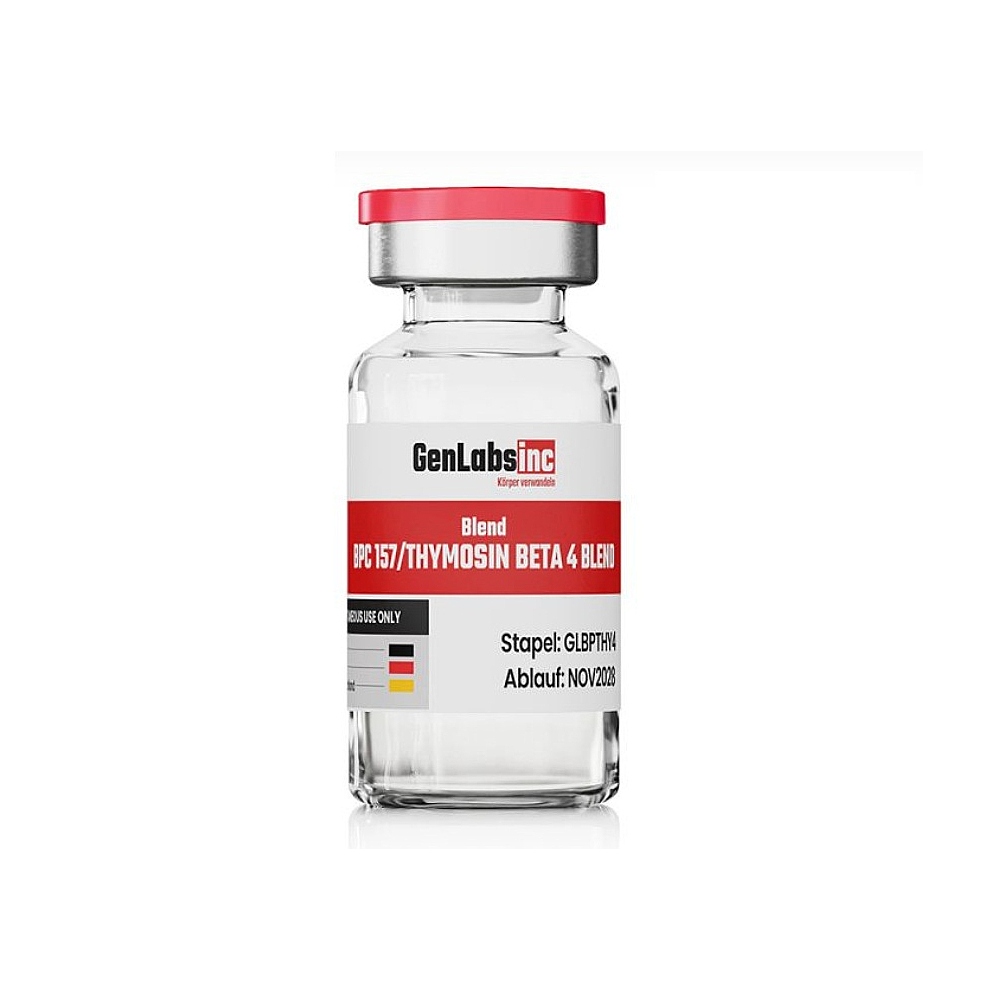
Bpc 157 5mg / Thymosin Beta 4 Blend 5mg Vial – (with Bacteriostatic Water) – Genlabs
$85.00
1 VIAL – BPC-157 / Thymosin Beta-4 blend 5MG ( DRIED FREEZE POWDER )
Benefits:
-
Speeds up muscle, tendon, and ligament healing.
-
Helps reduce inflammation and pain.
-
Supports faster recovery from injuries.
-
Promotes tissue repair and regeneration.
-
Improves blood flow to damaged areas.
Buy BPC-157 / Thymosin Beta-4 Blend 5MG – Advanced Regenerative Peptide Combination
Researchers looking to buy BPC-157 / Thymosin Beta-4 blend 5MG often seek a peptide combination that has been widely studied for its potential role in tissue repair and regenerative biology. This blend combines two peptides that are frequently examined in recovery-focused research: BPC-157 and Thymosin Beta-4 (Tβ4).
Both peptides are known in scientific studies for their potential influence on cellular repair mechanisms, inflammation pathways, and connective tissue recovery. When combined, researchers often investigate whether the peptides may work together to support more efficient tissue healing and regeneration.
Laboratories that buy BPC-157 / Thymosin Beta-4 blend 5MG commonly study this peptide combination in experiments involving musculoskeletal recovery, injury repair, and regenerative biological processes.
Key Features of BPC-157 / Thymosin Beta-4 Blend 5MG
The BPC-157 / Thymosin Beta-4 blend 5MG offers several characteristics that make it valuable for regenerative research.
Product Highlights
-
5MG peptide blend per vial
-
Combination of BPC-157 and Thymosin Beta-4
-
Lyophilized peptide powder
-
Sterile research vial packaging
-
Designed for regenerative biology and recovery studies
Researchers who buy BPC-157 / Thymosin Beta-4 blend 5MG often focus on studying how these peptides may interact within biological repair pathways.
Understanding the Peptides in This Blend
BPC-157
BPC-157, short for Body Protection Compound-157, is a synthetic peptide derived from a protective protein sequence found in gastric juices. In research settings, scientists often examine BPC-157 for its potential role in:
-
connective tissue repair
-
inflammation regulation
-
tendon and ligament recovery
-
regenerative biological processes
Because of its possible influence on healing mechanisms, BPC-157 is frequently studied in experiments involving tissue recovery.
Thymosin Beta-4 (Tβ4)
Thymosin Beta-4 is a naturally occurring peptide that plays a role in cellular movement and tissue regeneration. Researchers often investigate this peptide because of its potential involvement in:
-
cell migration
-
angiogenesis (formation of new blood vessels)
-
wound healing pathways
-
inflammatory response regulation
When combined with BPC-157, scientists study whether Thymosin Beta-4 may enhance regenerative processes within experimental models.
How the BPC-157 / Thymosin Beta-4 Blend Works
The BPC-157 / Thymosin Beta-4 peptide blend is often studied for its potential synergistic effects on tissue recovery and cellular repair.
Researchers who buy BPC-157 / Thymosin Beta-4 blend 5MG commonly examine how the combination may influence several biological mechanisms.
Tissue Repair Pathways
BPC-157 has been studied for its potential ability to support the repair of damaged connective tissues such as tendons, ligaments, and muscles.
Cellular Migration and Regeneration
Thymosin Beta-4 is known for its involvement in cell movement and regeneration. Scientists study how this peptide may support the migration of cells needed for tissue repair.
Angiogenesis Research
Both peptides have been examined in research related to angiogenesis, the development of new blood vessels that help deliver nutrients to healing tissues.
Inflammation Regulation
Some experimental studies analyze how the peptide combination may interact with inflammatory pathways during tissue recovery.
Potential Research Applications
Scientists who buy BPC-157 / Thymosin Beta-4 blend 5MG frequently include this peptide combination in several research areas.
Musculoskeletal Recovery Research
One of the most common areas of study involves connective tissue repair, including muscles, ligaments, and tendons.
Injury Recovery Studies
Researchers may investigate how the peptide blend interacts with biological pathways involved in healing after injury.
Regenerative Biology Research
Some studies analyze how peptide combinations influence cellular regeneration and tissue growth.
Inflammation and Healing Research
Scientists also examine how the peptide blend may interact with inflammatory signaling during recovery processes.
Typical Research Preparation
The BPC-157 / Thymosin Beta-4 blend 5MG is commonly supplied as a lyophilized peptide powder.
Before use in laboratory experiments, the peptide powder is typically reconstituted using bacteriostatic water or sterile laboratory water according to research protocols.
Prepared solutions may then be used in experimental models designed to study tissue repair and regenerative biological pathways.
Product Specifications
Product Name: BPC-157 / Thymosin Beta-4 Blend
Peptide Content: 5MG per vial
Form: Lyophilized peptide powder
Packaging: Sterile research vial
Important Research Notice
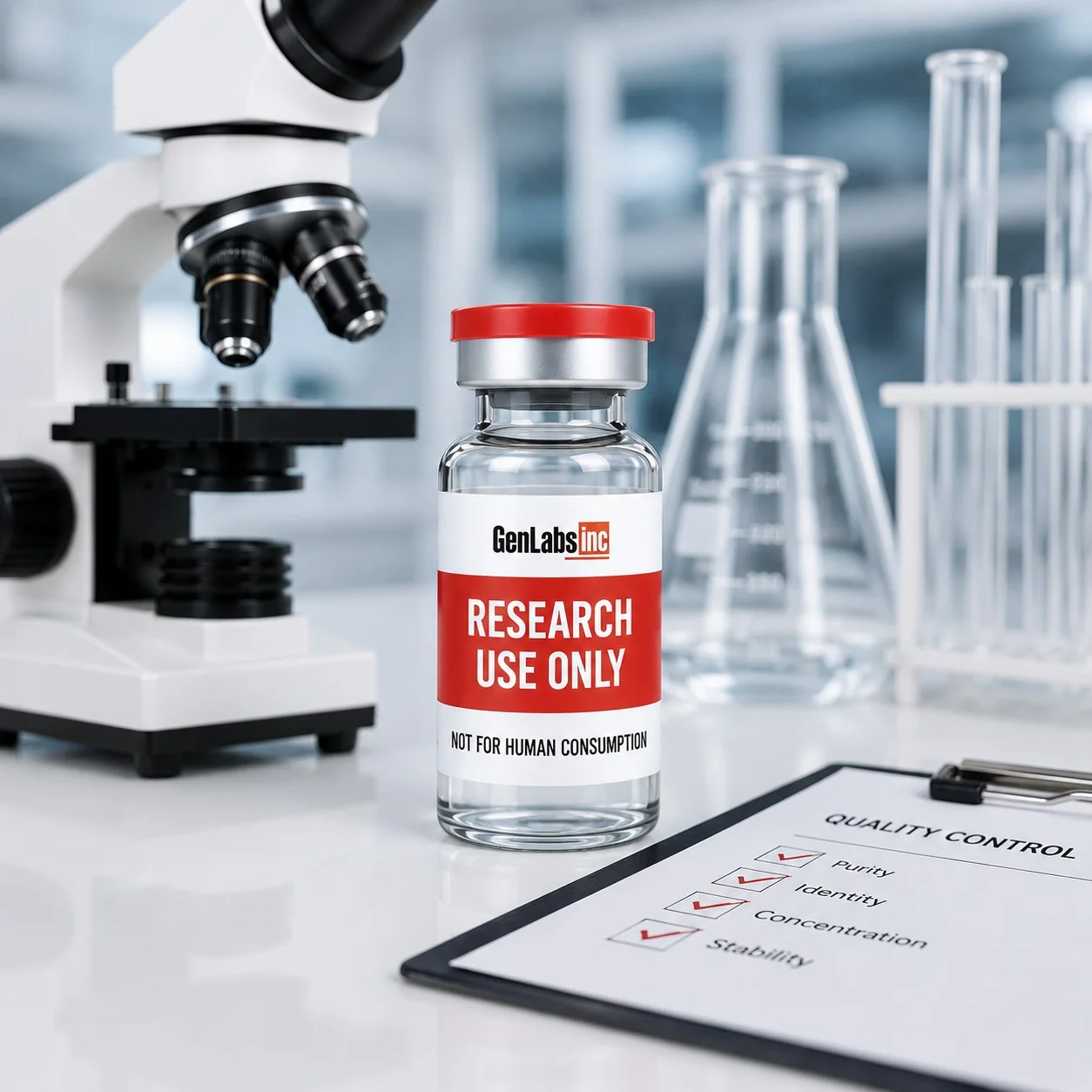
The BPC-157 / Thymosin Beta-4 blend 5MG is intended strictly for laboratory research purposes only.
This product is not intended for human consumption, medical treatment, or therapeutic use.
FAQ – Buy BPC-157 / Thymosin Beta-4 Blend 5MG
Where can I buy BPC-157 / Thymosin Beta-4 blend 5MG?
You can buy BPC-157 / Thymosin Beta-4 blend 5MG from reputable peptide suppliers that provide high-purity research compounds.
What is the BPC-157 / Thymosin Beta-4 blend studied for?
Researchers often study this peptide combination for its potential role in tissue repair, regenerative biology, and inflammation research.
Why combine BPC-157 and Thymosin Beta-4?
Scientists investigate whether combining these peptides may enhance biological pathways involved in healing and cellular regeneration.
What does Thymosin Beta-4 do in research?
Thymosin Beta-4 is commonly studied for its potential influence on cell migration, angiogenesis, and tissue repair mechanisms.
Is this peptide blend approved for medical use?
No. BPC-157 / Thymosin Beta-4 blend 5MG is intended strictly for laboratory research purposes only.
Be the first to review “Bpc 157 5mg / Thymosin Beta 4 Blend 5mg Vial – (with Bacteriostatic Water) – Genlabs”
Related products
Recovery & Injury Repair
Recovery & Injury Repair
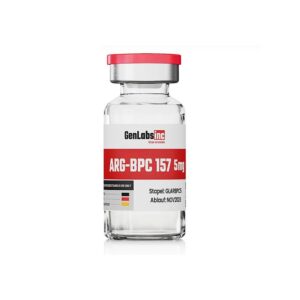
Arg – Bpc 157 5mg Vial – (with Bacteriostatic Water) – Genlabs
Reviews
There are no reviews yet.