Peptide Education
Weight Loss Injection Guide: Benefits, Results & Treatment Options in 2026
Jun
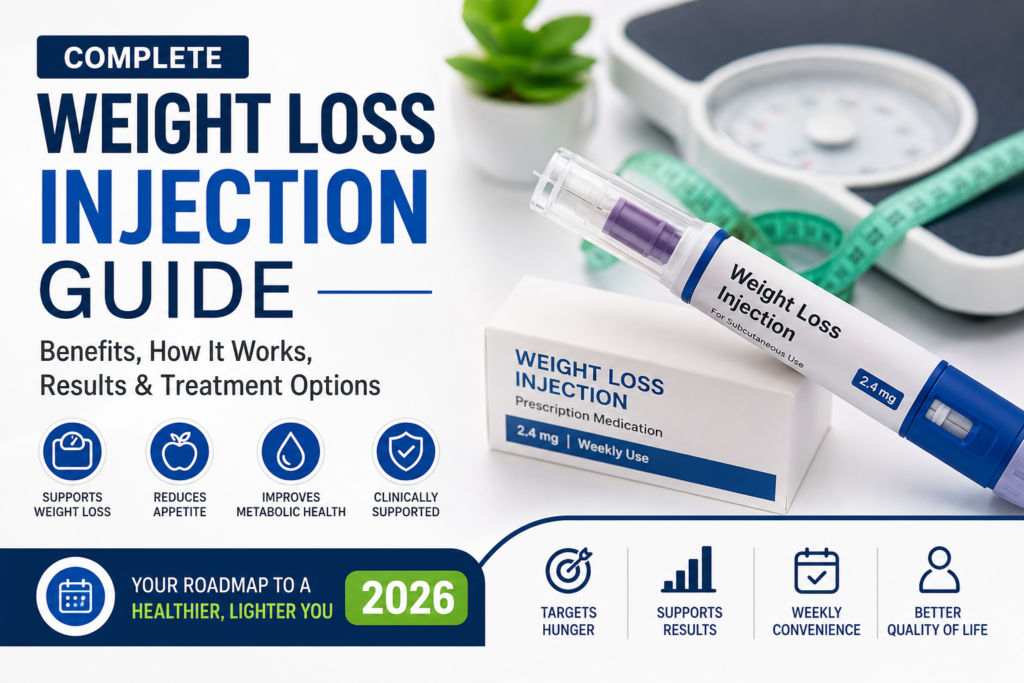
Weight Loss Injection Guide
Weight loss injections have become one of the most popular medical weight management solutions available today. As obesity rates continue to rise, more individuals are turning to clinically supported treatments that can help reduce appetite, improve metabolic function, and support long-term weight loss goals. Modern weight loss injections are designed to work alongside healthy eating habits and regular physical activity, helping users achieve sustainable results when traditional diet and exercise alone may not be enough.
This Weight Loss Injection Guide is designed to help you understand the most popular injectable weight management treatments available today. Whether you’re researching medical weight loss options or comparing therapies, this Weight Loss Injection Guide provides the information you need to make informed decisions.
Many patients choose weight loss injections because they offer convenience, consistent dosing, and scientifically studied mechanisms that target hunger regulation and blood sugar control. Whether you’re researching treatment options for the first time or comparing different injectable therapies, understanding how these medications work is essential.
This comprehensive Weight Loss Injection Guide explains what weight loss injections are, how they work, their benefits, and answers the most common questions to help you make an informed decision in 2026.
What Is a Weight Loss Injection Guide?
A comprehensive Weight Loss Injection Guide explains how injectable therapies support weight management, who may qualify for treatment, and what results patients can realistically expect.
Weight loss injections are prescription medications designed to assist individuals in managing their weight by targeting hormones involved in appetite control and metabolism.
Many modern weight loss injections mimic naturally occurring hormones in the body that regulate hunger, food intake, and blood sugar levels. These medications are typically administered through a small subcutaneous injection and are often used as part of a comprehensive weight management program.
Healthcare providers may recommend weight loss injections for individuals who struggle with obesity or who have weight-related health concerns such as:
- High blood pressure
- Type 2 diabetes
- Insulin resistance
- Metabolic syndrome
- Elevated cholesterol levels
When combined with proper nutrition and exercise, these treatments may help individuals achieve meaningful and sustainable weight reduction.
How It Works
Weight loss injections work by influencing several biological processes involved in hunger and metabolism.
Understanding the science behind these treatments is one of the primary goals of a Weight Loss Injection Guide. These medications work by targeting hormones involved in appetite regulation and metabolic function.
Appetite Regulation
Many injectable weight loss therapies help reduce feelings of hunger by acting on appetite-regulating centers in the brain. This can result in decreased calorie intake throughout the day.
Slower Gastric Emptying
Some medications slow the rate at which food leaves the stomach. This helps users feel fuller for longer periods after meals and may reduce snacking between meals.
Blood Sugar Management
Weight loss injections may improve insulin sensitivity and support stable blood sugar levels, helping reduce cravings and energy fluctuations.
Metabolic Support
By improving hormonal signaling related to metabolism, certain therapies can help support fat loss while preserving lean muscle mass when combined with resistance training and adequate protein intake.
Benefits
Weight loss injections offer several potential advantages for individuals seeking medically supported weight management.
One reason many people search for a Weight Loss Injection Guide is to better understand the potential benefits of injectable weight management therapies.
1. Effective Weight Reduction
Clinical studies have shown that many injectable therapies can support significant weight loss when combined with lifestyle modifications.
2. Reduced Hunger and Cravings
Users often report decreased appetite and improved control over food cravings.
3. Improved Blood Sugar Control
Many treatments help maintain healthier glucose levels and improve insulin sensitivity.
4. Convenient Weekly Dosing
Several modern weight loss injections require only one injection per week, making them easy to incorporate into a routine.
5. Enhanced Long-Term Weight Management
When paired with healthy lifestyle habits, injectable therapies may support long-term weight maintenance.
6. Better Overall Health
Successful weight reduction can positively impact cardiovascular health, mobility, energy levels, and quality of life.
Common Questions
Are weight loss injections safe?
When prescribed and monitored by a qualified healthcare professional, weight loss injections are generally considered safe for eligible patients. Individual suitability varies based on medical history and health conditions. This Weight Loss Injection Guide addresses some of the most frequently asked questions from individuals considering medical weight loss treatments.
How quickly do weight loss injections work?
Results vary from person to person. Many users begin noticing appetite reduction within the first few weeks, while significant weight loss may occur over several months.
Do I still need diet and exercise?
Yes. Weight loss injections are most effective when combined with a healthy diet, regular physical activity, and long-term lifestyle changes.
Can weight loss injections help with stubborn weight?
Many individuals who have struggled with traditional weight loss methods find injectable therapies helpful as part of a comprehensive treatment plan.
Are weight loss injections a permanent solution?
Weight management is an ongoing process. Maintaining healthy habits remains important for long-term success.
Conclusion
This Weight Loss Injection Guide demonstrates why injectable weight management therapies have become one of the most effective medical approaches for long-term weight reduction. By following the recommendations outlined in this Weight Loss Injection Guide, patients can better understand available treatment options and discuss them with qualified healthcare providers.
Understanding how weight loss injections work, their benefits, and realistic expectations can help you make informed decisions about your health journey. Always consult a qualified healthcare provider to determine the most appropriate treatment plan for your individual needs.
CTA Section
Ready to Explore Weight Loss Solutions?
Take the next step toward achieving your health and wellness goals. Browse our selection of weight management products and discover options designed to support your journey.
Shop Now and Start Your Transformation Today!
Internal Links
- Semaglutide 2mg Guide
- Tirzepatide Weight Loss Benefits
- Retatrutide Research Overview
- Weight Loss Peptide Comparison
- Peptide Reconstitution Guide
FAQ
1. What is a Weight Loss Injection Guide?
The best option depends on individual health goals, medical history, and physician recommendations.
2. Why should I read a Weight Loss Injection Guide before starting treatment?
Results vary significantly, but many users experience meaningful weight reduction when combining treatment with healthy lifestyle changes.
3. How often are weight loss injections administered?
Many therapies are administered once weekly, while others may follow different dosing schedules.
4. Do weight loss injections suppress appetite?
Yes, many weight loss injections help reduce hunger and cravings by influencing appetite-regulating hormones.
5. Who qualifies for weight loss injections?
Eligibility is determined by healthcare providers based on factors such as BMI, weight-related conditions, and overall health status.tion, and consistency remain the most important factors for long-term success.
